

Whiplash occurs when a sudden force snaps the head forward and then back, or back and then forward, in a fast, uncontrolled motion. Car accidents, especially rear-end collisions, are the best-known cause, but sports, falls, and physical assaults can lead to the same kind of injury. The rapid overextension and overbending can strain or damage the structures of the neck, including the cervical vertebrae, discs, ligaments, muscles, and nerves. The effects can also reach beyond the neck.
Whiplash is a very common injury in the United States, and it is one of the conditions chiropractors see most often.
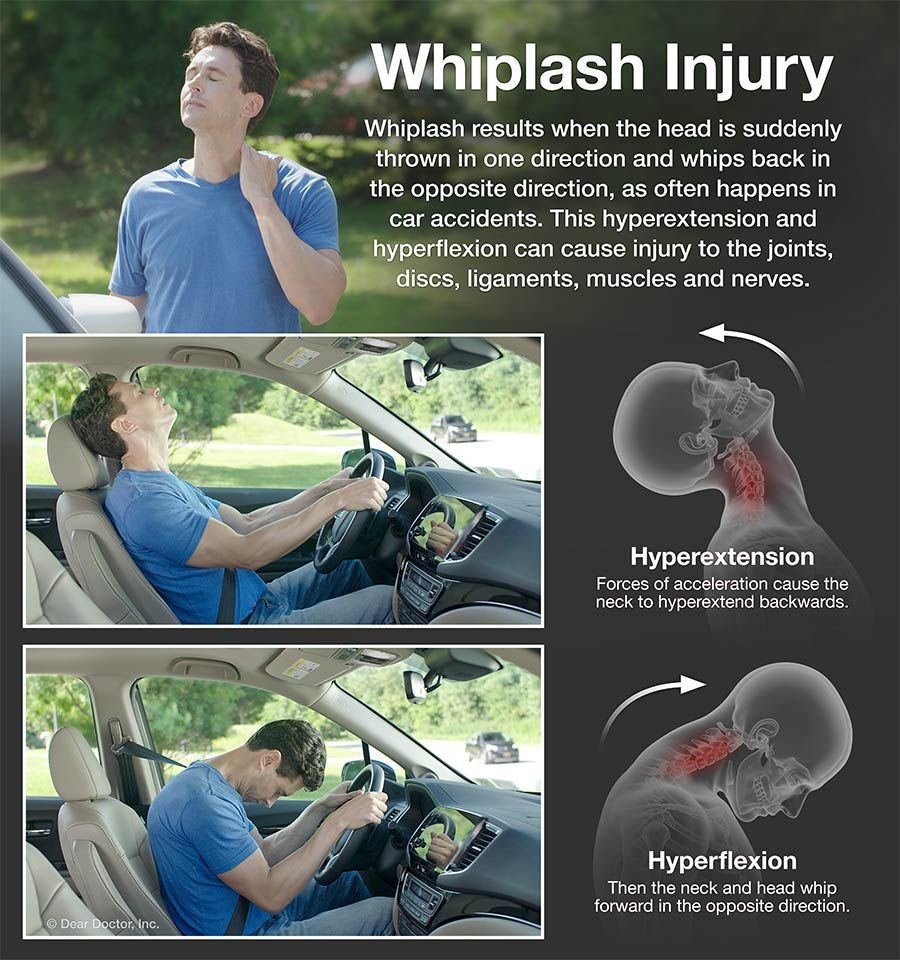
Recognizing Whiplash
Tightness in the neck and shoulders after an event that jerked the head in one direction and then another may be a sign of whiplash. Symptoms can appear immediately or may take a day or two to develop. The specific injuries and how severe they are differ from person to person, but common symptoms include:
- Significant neck pain
- Headaches, often starting at the base of the skull
- Pain that radiates into the shoulders, arms, or upper back, and sometimes the hands, fingers, or chest
- Trouble concentrating
- Numbness
- Neck stiffness and reduced range of motion
- Ringing in the ears (tinnitus)
- Irritability or tiredness
Some people also notice dizziness, trouble swallowing, nausea, or blurred vision, which often resolve fairly quickly. Many people recover completely, but some go on to have lingering symptoms. Having intense pain right after the injury may raise the chances of longer-term problems. Ongoing injury can also affect the normal curve of the neck, and losing that curve may make the neck more vulnerable to future injury, arthritis, and disc problems. Getting evaluated and starting appropriate care early may help reduce the risk of some of these complications.
Anyone with severe headache, confusion, loss of consciousness, weakness or numbness in the arms or legs, trouble speaking or walking, or loss of bladder or bowel control after an accident should seek emergency medical care right away.
Evaluation and Chiropractic Care for Whiplash
If a patient did not receive medical care after the incident, the chiropractor will typically want to rule out a fracture first, often with x-rays. The exam usually includes questions about symptoms and gentle palpation of the neck to check for restricted movement, joint injury, or muscle and ligament strain. The chiropractor will also note areas of tenderness, stiffness, and tightness and assess how well the spinal joints move. Because whiplash can affect more than the neck, the evaluation often covers the entire spine along with posture, alignment, and walking and movement patterns.
If there is tingling in the arms or elsewhere, or if a more serious injury is suspected, an MRI may be needed to get a clearer look. When whiplash is confirmed in the acute stage, shortly after the injury, an early priority is to calm inflammation. During this phase, chiropractors often use gentle stretching and mobilization techniques. Somewhat firmer pressure may be used on very tight muscles, but the approach remains careful and controlled.
Chiropractors may also apply pressure to trigger points, which are tender spots in muscles that can refer pain, to help release tension. Patients may be given instructions for using ice at home, and following them closely is important. In some situations, a soft neck collar may be suggested for a short period.
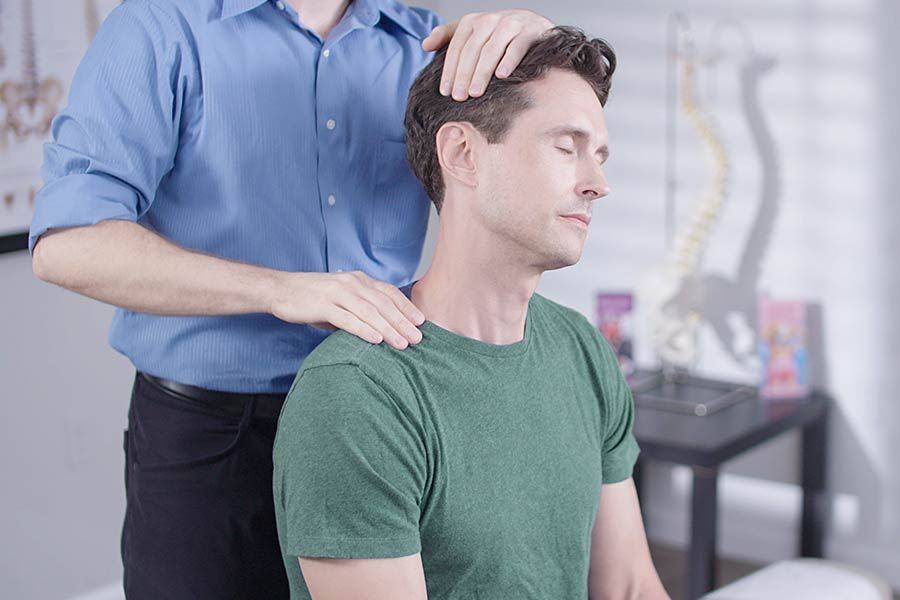
As swelling decreases and the neck begins to improve, adjustments and other techniques may be used to help restore movement and range of motion. A care plan may also include massage and home exercises intended to support a faster recovery.
Every whiplash injury is different, and recovery times vary. Chiropractors adjust care to the individual, and for most people the pain and stiffness gradually fade over time. For those who develop chronic pain, care can focus on building strength, staying active, and adapting to any limitations. Anyone recovering from whiplash can talk with a chiropractor or other healthcare provider about a plan that fits their needs.