
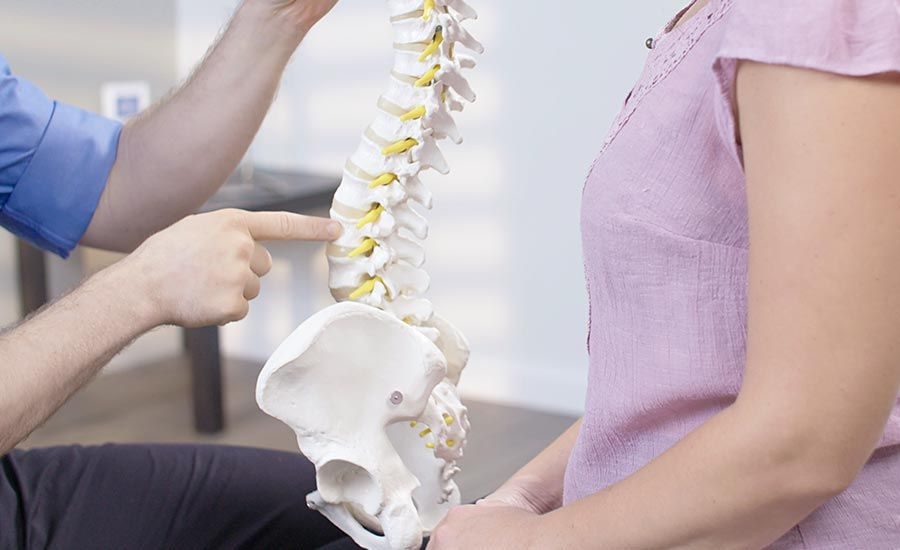
People who visit a chiropractor may hear the word "subluxation" during their exam. Although it may sound unfamiliar, the term has been part of chiropractic language for more than 100 years. Traditionally, chiropractors used it to describe a vertebra that is out of its normal position in a way that may disrupt nerve signals and, in turn, affect how the body works. Over time, the meaning has expanded. Many chiropractors now use it to describe any misalignment or imbalance in the body, whether in the spine or elsewhere, that may interfere with nerve communication or the normal function of surrounding tissues.
The Chiropractic View of Subluxation
Chiropractors spend years training to evaluate, manage and help prevent musculoskeletal problems using approaches that do not involve medication or surgery. From their perspective, a subluxation involves more than a single joint that is slightly off. It is viewed as a group of related changes, often called "components," that may involve bones, nerves, muscles, connective tissue and body chemistry, and that may influence overall well-being.
A subluxation in the spine is thought to place pressure on, or otherwise disrupt, nerve function. Many chiropractors describe their goal as supporting health by helping the nervous system work without this kind of interference, which they believe could otherwise contribute to dysfunction.
Chiropractors do not treat internal organ diseases directly. Instead, their focus is on the spine and other musculoskeletal structures, with the aim of supporting healthy nervous system function. Because nerves pass through the spinal column on their way to and from the rest of the body, some chiropractors believe that a problem in one part of the spine may be connected to symptoms in another area. For instance, nerves leaving the lower back (the L1 through L5 vertebrae) supply areas that include the abdomen, large intestine, bladder and reproductive organs.
When nerve irritation is reduced, some patients report relief from pain and inflammation in areas such as the back, neck, arms or legs. Chiropractors also aim to help the spinal nerves carry signals more freely to the rest of the body.
Signs Chiropractors Check For
During an exam, a chiropractor typically evaluates the spine for signs of dysfunction. This may include feeling how individual vertebrae move, ordering x-rays or other imaging, measuring range of motion and assessing muscle strength. Chiropractors may also watch for tissue changes that can be associated with restricted or misaligned joints, such as:
- Hyperemia: a buildup of blood in one area when normal circulation is blocked
- Congestion: areas within muscles where waste products may accumulate because of poor joint function
- Edema: swelling that occurs when fluid seeps out of the tiny blood vessels called capillaries
- Minute hemorrhages: very small amounts of bleeding from blood vessels
- Local ischemia: pain and tenderness in a muscle that is not receiving enough blood flow
- Atrophy: loss or thinning of muscle tissue due to disuse, illness, surgery or other causes
- Tissue rigidity: stiffness from adhesions in the muscles, tendons and ligaments, as opposed to the bones themselves
- Inflammation: irritation that may result when a nerve is compressed at the site of the subluxation
How Subluxations Are Addressed
The most common chiropractic approach to a subluxation is spinal manipulation, also called an adjustment. This is a precise, hands-on technique intended to free up a restricted vertebra, improve its alignment and ease pressure on nearby nerves and tissues. Patients sometimes hear a popping or cracking sound, which is caused by gas being released from the fluid inside the joint. Many people notice improved joint movement afterward. When performed by a trained practitioner, spinal manipulation is generally considered safe, and research suggests it may help with several musculoskeletal conditions, including:
- lower and upper back pain
- neck pain
- headaches that originate in the neck, and some migraines
- pain or stiffness in the joints of the arms and legs
- whiplash-related problems
Hands-on healing methods have been practiced in many cultures for thousands of years. Chiropractic as a modern profession began in the United States in the late 1800s, and adjusting the spine to address subluxations has been part of it since the start. Through the years, chiropractors have expanded their techniques and supported research to study their methods. Many patients use chiropractic care as part of a broader plan to manage pain and maintain their health.
People with ongoing stiffness, soreness or pain in the back, neck or joints who are interested in non-drug, non-surgical options may want to talk with a chiropractor. An examination can help determine whether joint restriction is likely contributing to symptoms and which approaches may be appropriate.