
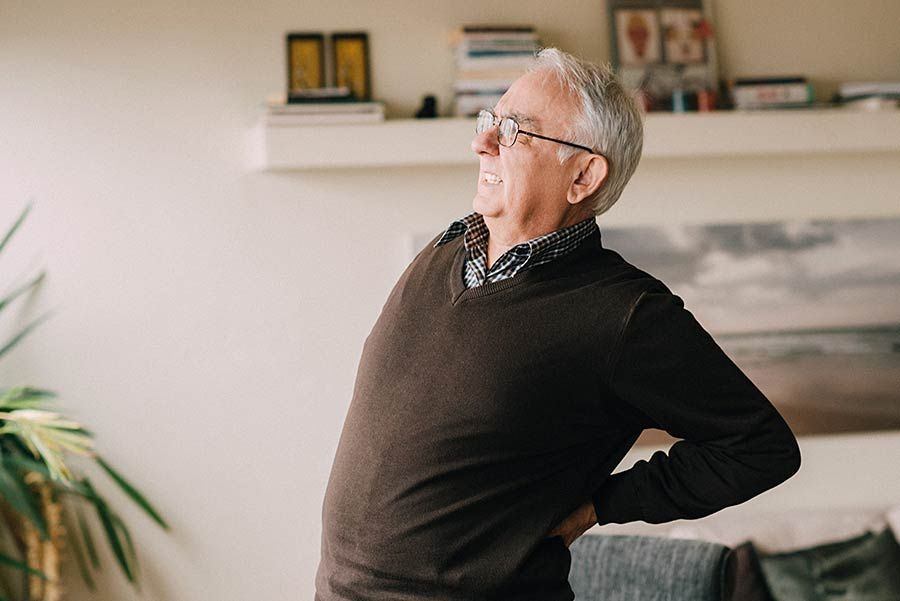
The word "stenosis" means narrowing. Spinal stenosis is a condition in which the openings that hold the spinal cord or the spinal nerves become smaller, leaving less room for these sensitive structures. Chiropractors, who focus on the muscles, joints, and nerves of the spine, use a range of conservative methods to help people manage this condition.
Some people with spinal stenosis have no symptoms at all. Others experience anything from occasional mild discomfort to pain that significantly limits daily life. In more advanced cases, walking even a short or moderate distance may become painful. Narrowing can develop in two main places:
- the spinal canal, the central tunnel that runs the length of the spine and contains the spinal cord
- the intervertebral foramina, the small side openings where nerve roots leave the spine and travel to the rest of the body
Spinal stenosis most often appears in people over age 50 and affects both men and women. It can show up earlier in life, usually because of a related factor such as a past spinal injury or a condition present from birth.
Signs and Symptoms
Narrowing does not always mean a nerve is being pinched. When nearby nerves are compressed or irritated, though, symptoms tend to come on gradually and may worsen over time. Without attention, more significant stenosis can start to interfere with normal activities. The neck and the lower back are the two areas where stenosis develops most often. Symptoms vary from person to person, but they may include the following:
Stenosis in the neck (cervical)
- Neck pain, sometimes only mild
- Burning, numbness, or tingling in the arms or hands
- Weakness in the arms or hands
- Unsteady balance or changes in the way a person walks
- Trouble with fine hand movements, such as buttoning or writing
Stenosis in the lower back (lumbar)
- Burning pain in the buttock or leg, sometimes reaching the foot (sciatica)
- Low back pain
- Numbness or tingling in the buttock or leg
- Weakness in the buttock or leg
- A sense that the foot is slapping the floor when walking (foot drop)
- Strong cramping in the calves during walking
- Leg or calf pain that improves when leaning forward, sitting, or lying down
Anyone who develops loss of bladder or bowel control, numbness in the groin or inner thighs, or rapidly worsening weakness in the arms or legs should seek emergency medical care right away, as these can signal serious nerve compression.
What Causes Spinal Stenosis?
Age-related arthritis is the leading cause. Over many years, the cartilage that cushions the joints and discs of the spine gradually wears down, much like arthritis in the knees or hands. In response, the body may form extra bone, called bone spurs, in an attempt to stabilize the area. Bone spurs are not always a problem, but if they grow into the space around a nerve, they can cause considerable pain, and in some cases surgery may be needed.
The ligaments that hold the spinal joints together can also thicken over time as the body tries to make up for worn cartilage. As these ligaments enlarge, especially in the lower back, they take up room inside the spinal canal.
Other possible contributors include bulging or herniated discs and abnormal sideways curvature of the spine (scoliosis).
How Chiropractors Approach Stenosis
Chiropractic care for spinal stenosis is non-surgical and drug-free. Chiropractors often combine several approaches with the goal of easing pain and improving movement and function. A care plan depends on the individual's exam findings and needs, but it may include:
- Hands-on techniques: One commonly used method is flexion-distraction. The patient lies on a special table that moves in a way designed to gently open the spaces between spinal structures and reduce pressure on the discs. The chiropractor may apply light pressure to targeted areas of the back while the table moves. This combination of gentle bending and stretching aims to create more space in the spinal canal and take pressure off irritated tissues.
- Stretching and traction: Additional stretching or traction methods may help open the spinal canal, relax tight neck or back muscles, and counter posture changes that often accompany stenosis.
- Home exercise programs: A chiropractor may teach exercises that build strength in the back and core and improve posture. Done consistently, these may help reduce pain and could slow the progression of symptoms.
- Daily activity changes: Depending on symptoms, a chiropractor may recommend practical adjustments, such as breaking up long periods of sitting or, in some cases, wearing a supportive brace.
- Massage and ultrasound: These therapies may help ease muscle cramping, stiffness, and pain.
- Electrical stimulation, low-level laser therapy, or heat and ice: These options may improve circulation to irritated areas, calm muscle spasms, and provide pain relief.
Spinal stenosis is common, and its effect on daily life ranges from minor to significant. Conservative chiropractic care may help many people move more comfortably and stay active. Anyone dealing with symptoms of stenosis can talk with a chiropractor or other healthcare provider about which options fit their situation.