

Sciatica refers to pain caused by irritation or compression of the sciatic nerve. It usually travels from the lower back through the buttock and down the back of one leg, typically affecting just one side. The sensation can be a dull ache or something much sharper, sometimes described as burning or like an electric jolt. Sciatica is common, affecting a large share of people at some point in life, and it tends to appear most often in middle adulthood.
Sciatica sometimes clears up without treatment, but chiropractic care may help ease pain and shorten an episode without medication or surgery. The sections below explain more about this common problem and how chiropractors approach it.
What Causes Sciatica and What It Feels Like
The sciatic nerves are the largest and longest nerves in the body, each a little wider than a pinky finger. They start in the lower (lumbar) spine, pass through the pelvis and continue down each leg. These nerves carry signals that control muscles in the lower leg and provide feeling to the back of the thigh, the ankle and the sole of the foot.
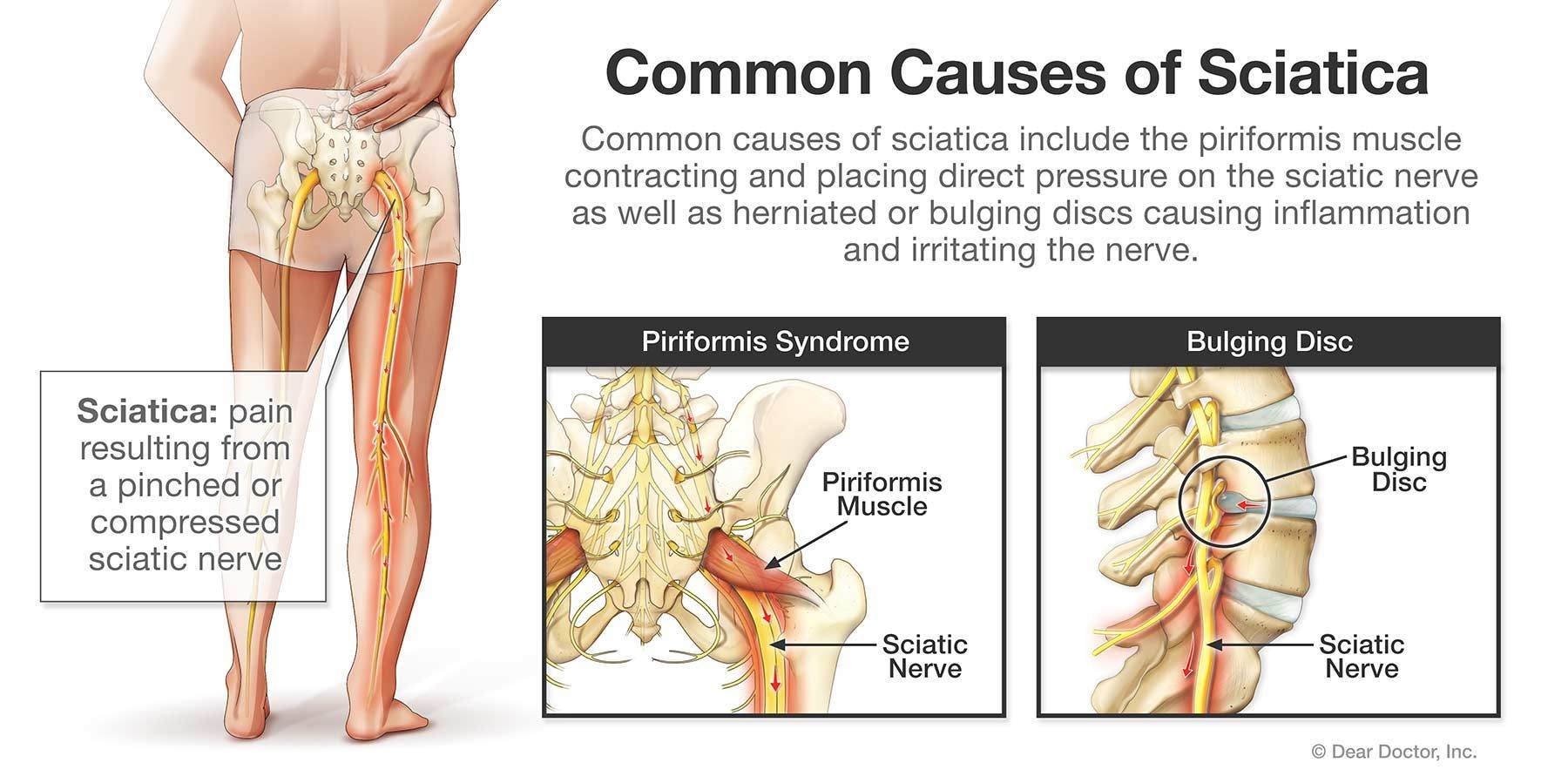
Sciatica can develop for several reasons. The piriformis, a muscle that helps rotate the hip, runs from the base of the spine to the thigh bone and lies over the sciatic nerve. Much like a rope, it is made of many bundled fibers. When it is injured or overworked, those fibers can tighten and press directly on the nerve.
Other possible causes include misalignment of the lower spine or sacroiliac joints (often called a subluxation), bone spurs, pregnancy, excess body weight, diabetes and spinal stenosis, a narrowing of the spinal canal. Bulging or herniated discs are also a frequent cause. Material from inside a damaged disc can trigger inflammation and irritate nearby nerves.
Coughing, sneezing or sitting for long periods may make sciatic pain worse, and standing on hard floors can aggravate it as well. Walking or lying down may bring short-term relief. Many cases improve within a few weeks, though some people have symptoms that last for months. Anyone with sciatica accompanied by loss of bladder or bowel control, numbness in the groin area or rapidly worsening leg weakness should seek emergency medical care.
How Chiropractors Treat Sciatica
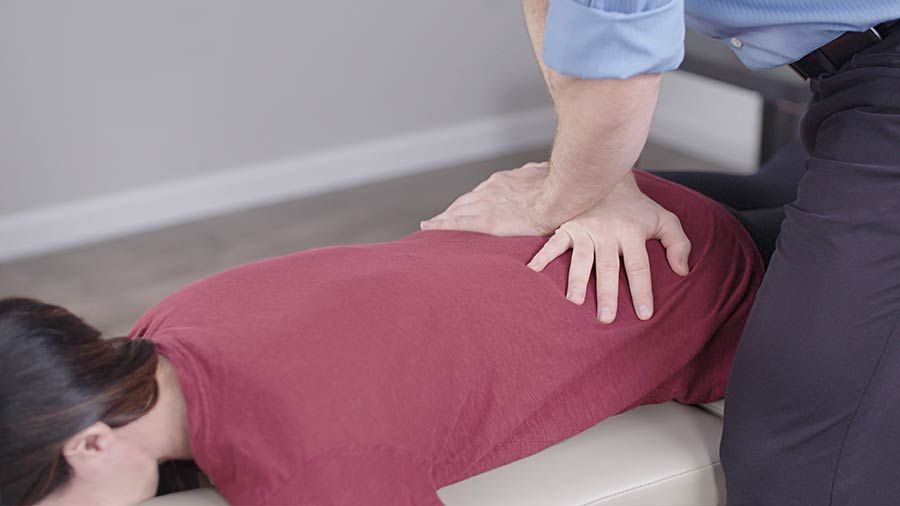
Chiropractic care is a widely used, noninvasive option for sciatica. The specific approach depends on the underlying cause, and chiropractors generally tailor care to each patient's circumstances.
A care plan for sciatica may include:
- Ice or cold therapy: Helps calm inflammation and manage pain.
- Therapeutic ultrasound: High-frequency sound waves create gentle heat in deep tissues, which may improve circulation and ease swelling and pain.
- TENS (transcutaneous electrical nerve stimulation): A small device sends a mild electrical current that may help relax muscle spasms.
- Spinal manipulation: Adjustments to the spine and pelvis aim to improve alignment and movement and reduce pressure on the sciatic nerve.
- Massage: Firm pressure on trigger points, or muscle knots, can help muscles relax and may reduce inflammation.
- Cold laser therapy: A painless, low-level laser that may support healing, reduce inflammation and ease both short-term and long-lasting pain.
Resting for a few days when sciatica first flares is reasonable, but staying inactive for too long can make symptoms worse. Along with in-office care, a chiropractor can recommend an exercise plan to improve mobility and build strength. Movement also helps keep the spinal discs nourished. Without regular activity, back muscles weaken and provide less support for the spine, which can make pinched nerves more likely. Tight hamstrings can place extra stress on the lower back, so keeping them flexible is important too.
Sticking with a treatment and prevention plan may help relieve current pain and lower the chances of future sciatica flare-ups. People with sciatica symptoms may want to discuss their options with a chiropractor or healthcare provider.