
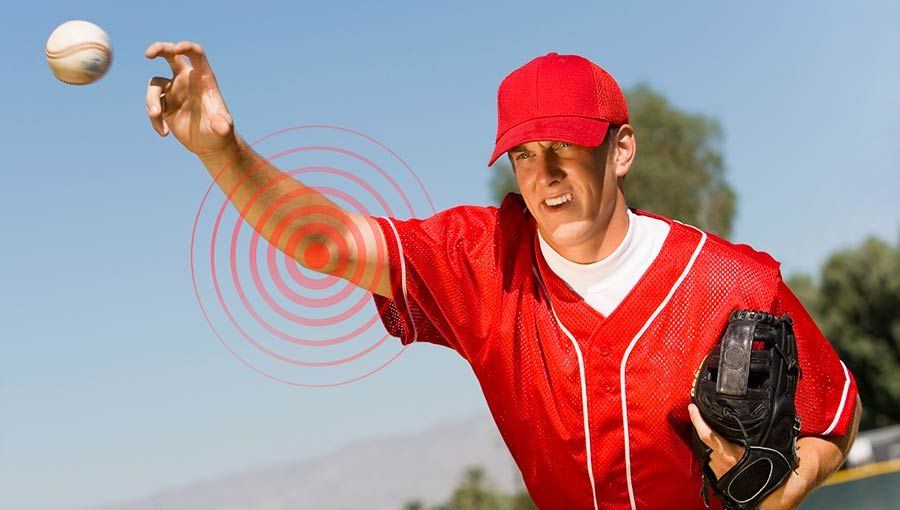
Picture a tense moment in a baseball game: the count is full, the bases are loaded and the pitcher winds up, only to feel a sharp ache on the inside of the elbow. Pitcher's elbow is a common problem, particularly among young players whose bones are still growing. It is considered an overuse injury, developing when a player throws overhand again and again in practice or games without allowing the arm enough time to rest and recover.
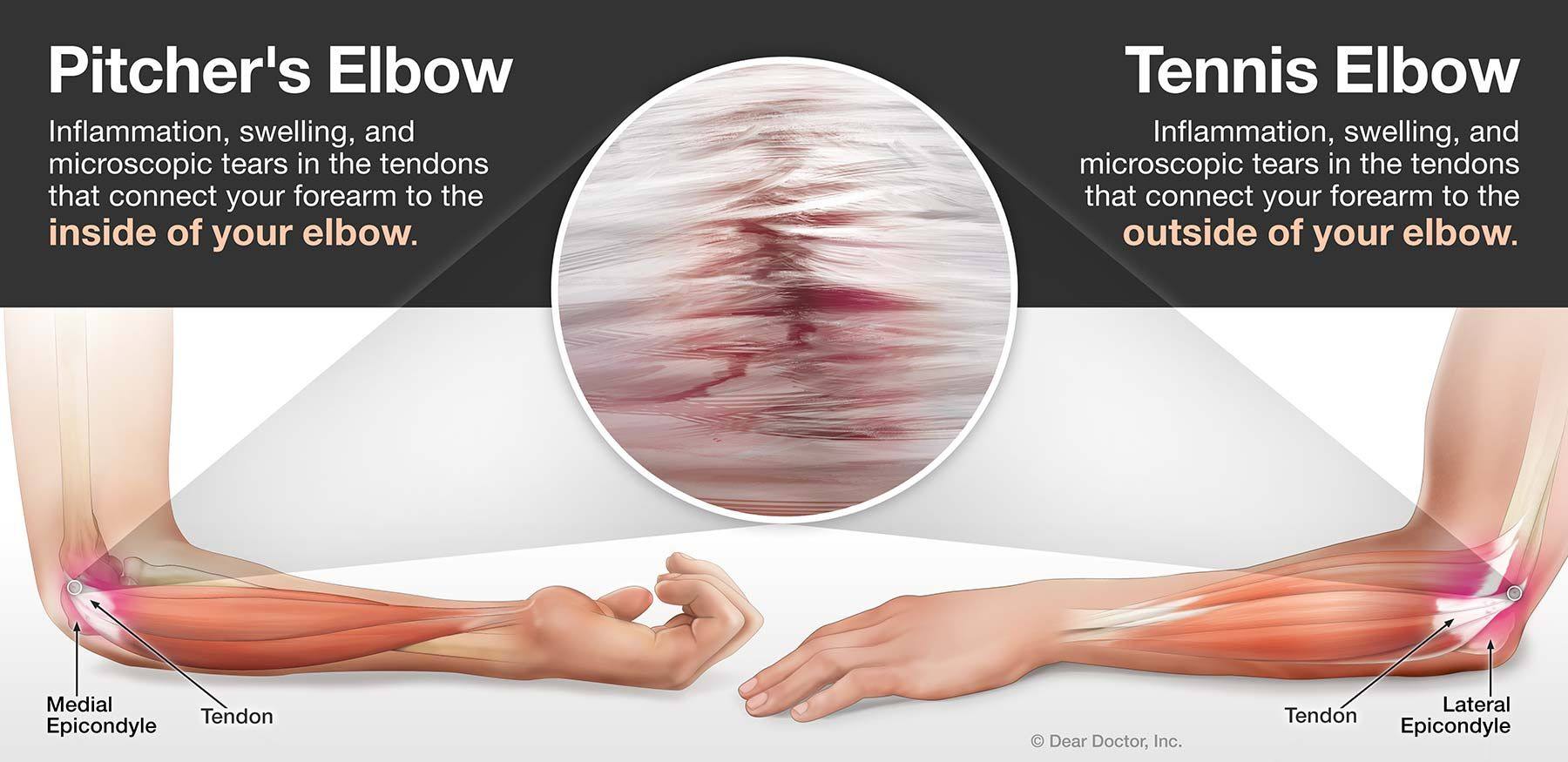
Pitcher's elbow is a type of elbow tendonitis, much like tennis elbow. The key difference is location: pitcher's elbow involves the tendons along the inner elbow, while tennis elbow affects those along the outer elbow. Symptoms usually build gradually and include tenderness, pain and swelling on the inner side of the joint. Range of motion may decrease, the elbow may sometimes feel as if it is catching or locking, and the pain may keep a player off the field. Chiropractic care is one conservative option that may help reduce the stress on the area and support natural healing without medication or surgery.
What Happens in Pitcher's Elbow
The elbow is a remarkable joint that works as both a hinge and a pivot. The hinge action lets the arm bend and straighten, while the pivot action allows the forearm to rotate. This flexibility comes with a tradeoff, however, as it leaves the elbow vulnerable to injury. The main bones that form the elbow are:
- Humerus: the lower end of the upper arm bone
- Radius: the forearm bone on the thumb side (lateral side) of the arm
- Ulna: the forearm bone on the little finger side (medial side) of the arm
Muscles, tendons and ligaments move and stabilize these bones, and any of them can become irritated or inflamed. One frequent issue is flexor tendonitis, which is inflammation of the tendons where they attach to the humerus on the inside of the elbow. It can make throwing painful, and when the inflammation is significant, the elbow may hurt even at rest.
Continuing to play through elbow pain is generally discouraged, since it may make the injury considerably worse.
In serious cases involving a torn ligament, a procedure commonly known as "Tommy John surgery," named for a professional pitcher who had it in the 1970s, may be needed. The surgeon replaces the damaged elbow ligament with a tendon taken from elsewhere in the body. Sudden severe pain, a popping sensation, or numbness or tingling in the fingers should be evaluated promptly by a medical provider.
For many less severe cases, chiropractic care is another option worth considering.
Chiropractic Approaches to Pitcher's Elbow
Rather than relying on pain medication or surgery, chiropractors use noninvasive techniques for pitcher's elbow, which may include:
- Deep tissue massage to loosen soft tissues and improve range of motion
- Manipulation or mobilization to improve movement in the arm and elbow
- Therapies such as ultrasound, low-level ("cold") laser or electrical muscle stimulation, which may help ease pain and address scar tissue
Pitcher's elbow often requires a series of visits. During recovery, resting the arm and avoiding pitching until cleared by a provider is important, and returning to practice and games should happen gradually. Icing the elbow at home, for example about 20 minutes at a time with an hour or so between sessions, or as directed, may also help. A chiropractor may suggest home exercises to rebuild strength and flexibility.
The following habits may help protect the elbow from further injury:
- Warm up with light general activity before throwing
- Stretch the arm and shoulder muscles gently before pitching
- Avoid pitching in too many games or innings
- Use proper pitching mechanics
Once healed, players may benefit from working with a qualified coach who can teach correct throwing mechanics, which may lower the risk of reinjury. Prevention is ideal, but anyone who develops pain along the inner elbow may want to see a chiropractor or other healthcare provider early, since prompt care may help shorten the time away from the game.