
Spondylosis, also known as osteoarthritis of the spine, is a common part of aging for many people. The term describes wear-related changes in the spine, such as thinning discs or the growth of bone spurs. In some people, disc degeneration starts surprisingly early, even in the teenage years, and may lead to bulging or herniated discs. Signs of spinal osteoarthritis often begin to appear in adulthood, and by middle age a large majority of people show some degenerative changes on x-rays.
When Spinal Osteoarthritis Begins and How It Feels
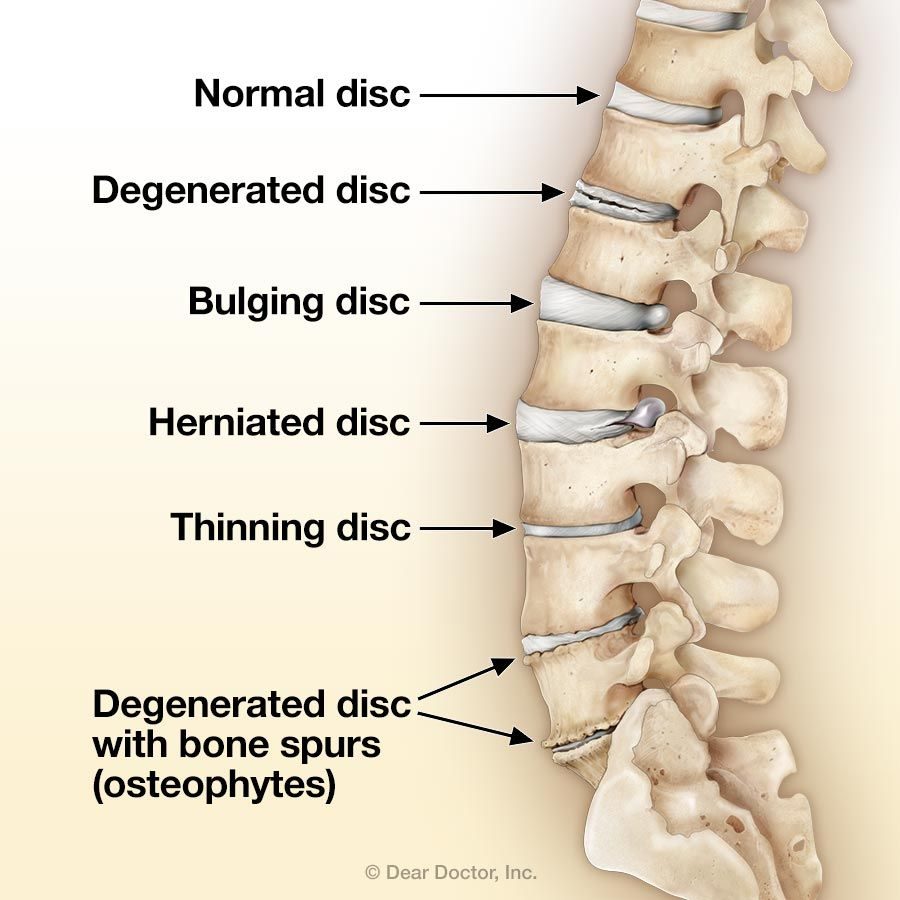
Both lifestyle and genetics influence when symptoms of spinal osteoarthritis first appear. A past spinal injury, for instance, may raise the risk of arthritis and lead to symptoms at a younger age, since previously injured joints are more prone to degeneration, which can unfold over many years. Other risk factors include jobs that involve repetitive neck motion or working overhead in awkward positions, family history, inactivity and smoking. Spondylosis can affect any region of the spine, but it shows up most often in the neck (cervical spine) and lower back (lumbar spine). It may involve a single vertebra or several levels at once.
Many people with spinal osteoarthritis never notice it; a substantial share of those with arthritic changes in the lower back have no symptoms at all. When symptoms do occur, they commonly include pain in the neck, shoulders or back, along with headaches, tenderness, muscle spasms and trigger points. In more advanced cases, people may feel tingling, numbness or weakness in the arms or legs, or have trouble walking. These problems usually stem from a pinched nerve, inflammation, a bulging or herniated disc, or bone spurs on the facet joints, the small joints that connect the vertebrae. Pain levels vary widely, from mild and occasional to constant and severe.
Depending on the type and location of the arthritis, related conditions can develop. Radiculopathy occurs when a herniated disc or other structure presses on a nerve root where it exits the spinal cord. Sciatica can result when the sciatic nerve, which runs from the lower back down the back of the leg to the foot, becomes compressed. In other situations, the spinal cord itself may be squeezed because of trauma, spinal stenosis (narrowing of the spinal canal), degenerative disease or a herniated disc; this is called myelopathy. Symptoms such as progressive weakness, problems with balance or walking, or changes in bladder or bowel control call for prompt medical evaluation.
Evaluating and Managing Spondylosis

People who suspect they have spinal osteoarthritis can be evaluated by a chiropractor. The assessment may involve a series of physical tests to look for degeneration in the vertebrae and discs, and imaging may be recommended. If spondylosis is found, chiropractic care may include low-level laser therapy, heat and ice, therapeutic ultrasound and massage. Spinal adjustments are often part of the plan, aimed at easing pain related to disc problems, pinched nerves or restricted movement in the spine. Chiropractors may also suggest lifestyle changes to support overall health.
Reasons to Consider Chiropractic Care for Spondylosis
Spinal osteoarthritis develops from wear and tear, but many of its uncomfortable symptoms can often be managed. Some studies suggest chiropractic care may help relieve symptoms of osteoarthritis. Chiropractors work to improve spinal alignment and movement affected by disc changes and bone spurs while helping to reduce pain and related symptoms.
The degenerative changes of spondylosis cannot be reversed, but ongoing care may help slow their effects and keep the spine moving well. Regular checkups, staying physically active and avoiding long periods of inactivity may help limit the impact of spinal arthritis. People with symptoms of spondylosis may want to talk with a chiropractor or healthcare provider about ways to keep their spine healthy and stay active.