
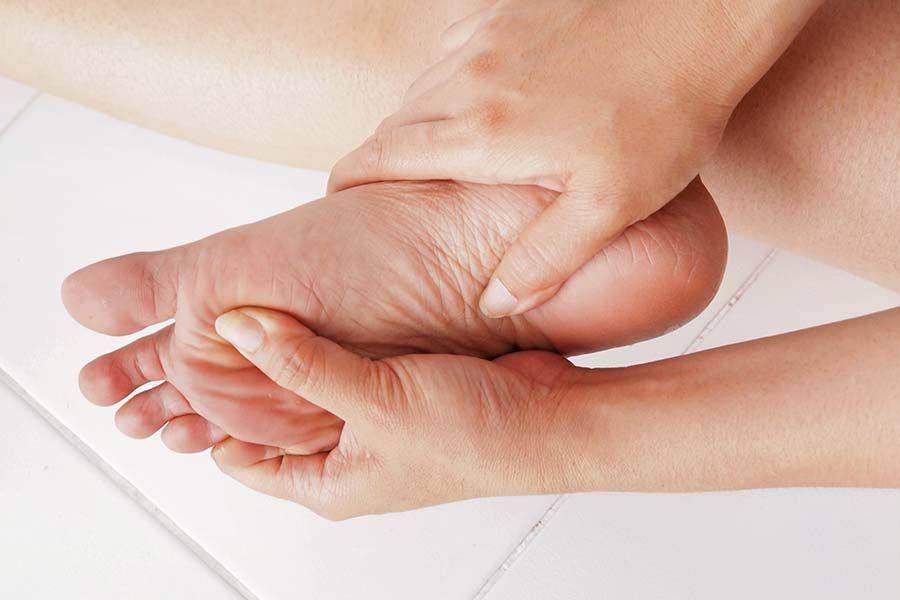
Peripheral neuropathy, often just called neuropathy, is a broad term for symptoms that result from damage to the nerves that extend outward from the brain and spinal cord. This damage interferes with the messages traveling between the body and the central nervous system. Signals may be blocked, sent when they shouldn't be or scrambled along the way. Neuropathy can involve a single nerve, as in carpal tunnel syndrome, where the median nerve in the wrist is compressed, or it can affect many nerves at once and cause symptoms in several areas of the body.
Pain from nerve damage ranges from mild to severe, and it can also interfere with sensation and normal function. Medications are commonly used, though they don't help everyone, and surgery is an option for certain types of neuropathy. Both approaches can carry side effects and risks. Chiropractic care offers a drug-free, nonsurgical approach that some people consider as part of managing their symptoms.
What Causes Neuropathy?
Neuropathy is fairly common and can develop from injury, illness, inherited factors or long-term health conditions, such as:
- Diabetes, since persistently high blood sugar can damage nerves over time; nerve damage is a common complication for people with diabetes
- Physical trauma from falls, accidents or other injuries
- Vitamin deficiencies, particularly of B vitamins and vitamin E, which nerves need to function properly
- Heavy alcohol use, which can deplete important nutrients and contribute to nerve damage
- Autoimmune conditions, including lupus and rheumatoid arthritis
- Infections, such as Lyme disease or HIV
- Certain medications, including some drugs used in chemotherapy
In many cases, though, no clear cause can be found. When that happens, the condition is called idiopathic neuropathy.
Signs and Symptoms of Neuropathy
Nerve pain is often described as burning, stabbing or pins and needles. Some people notice numbness, weakness or unusual sensitivity to touch that comes on suddenly or builds gradually. Neuropathy may also affect balance and the way a person walks.
Symptoms depend on which kinds of nerves are damaged. Sensory nerve damage can cause pain, but it can also lead to a loss of feeling. Someone with reduced sensation in the feet, for instance, might not notice a cut, blister or burn. For that reason, people with numb areas should check them regularly for injuries.
When motor nerves are affected, muscle control and movement can suffer. Damage to autonomic nerves can disrupt automatic body functions such as blood pressure regulation and bladder and bowel control. Sudden weakness, rapidly spreading numbness or new loss of bladder or bowel control calls for prompt medical attention.
How Chiropractors Approach Neuropathy
Chiropractors encourage early evaluation and treatment of neuropathy, since addressing it sooner may help limit lasting nerve damage. They may also offer guidance on improving overall health, including managing conditions that may be contributing to nerve problems.
The goal is to identify what may be causing the symptoms and to find ways to ease discomfort. Once a chiropractor has ruled out an underlying condition that requires medical treatment, a care plan can be developed. It may include:
- Spinal adjustments intended to relieve pressure on compressed or irritated nerves, along with stretches that may improve circulation to the area and support healing
- Low-level ("cold") laser therapy, which uses light that does not produce heat and is directed through the skin to the affected tissues. It may help reduce pain and inflammation and support tissue repair.
- TENS (transcutaneous electrical nerve stimulation), which delivers a mild electrical current through the skin near the affected nerves. This may help interrupt pain signals and encourage circulation.
- Guidance on nutrition and lifestyle habits
Nerve pain can be challenging to manage, and medication doesn't always bring relief. Chiropractic care focuses on supporting the body's natural ability to heal. People who notice possible signs of neuropathy may want to discuss them with a chiropractor or other healthcare provider. If a condition needs medical care, a chiropractor will refer the patient to a physician, and chiropractic care may be used alongside medical treatment to help improve comfort and function.