
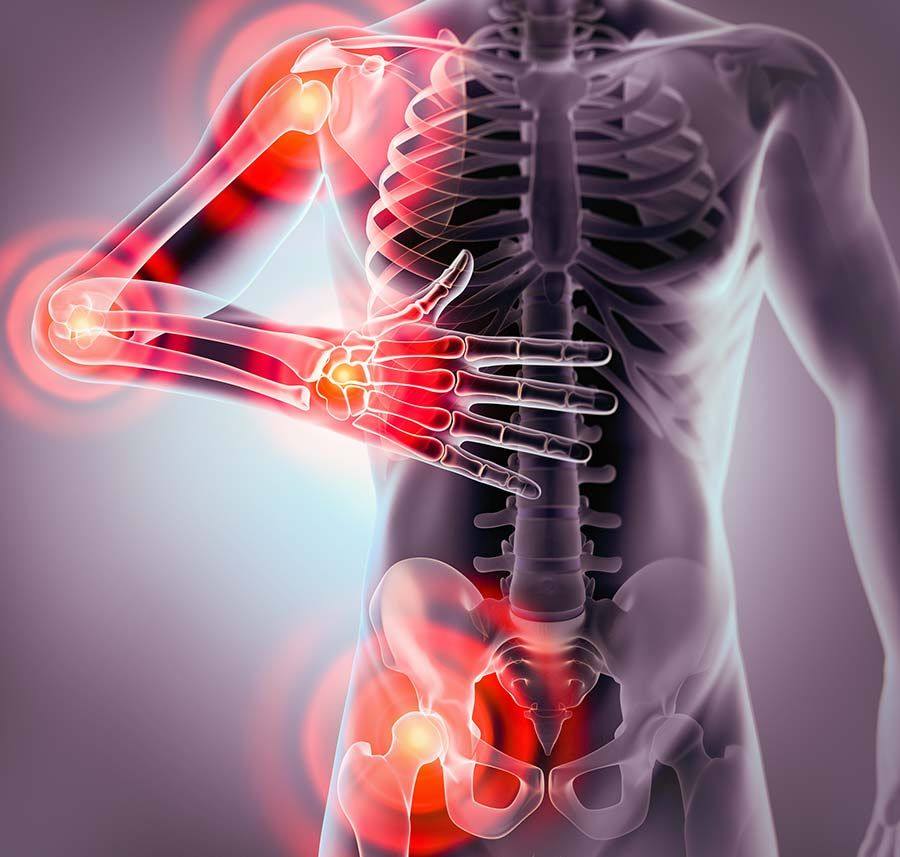
Joint pain varies widely from person to person, in part because the body's joints differ so much. Some, like the joints between the vertebrae, allow only small movements, while others, like the hips and the joints of the hands, move freely. Pain in any of them can be anything from a mild annoyance to a serious limitation. For many people with joint pain, chiropractic care may be a helpful option.
How a Joint Is Built
A joint is more than a spot where two bones come together. It is a complex structure that makes movement possible. Along with bone, a joint may include some of these parts:
- Cartilage: a smooth tissue covering the ends of bones where they meet
- Synovial membrane: a lining inside the joint that produces fluid to keep it lubricated
- Ligaments: strong, slightly stretchy bands that hold bones together and stabilize the joint, limiting how far it can move
- Tendons: cords of tissue that attach muscles to bones and help guide movement
- Bursae: small sacs filled with fluid that sit between joint structures to cushion them and reduce rubbing
When any of these parts is damaged or not working properly, movement can become stiff and painful, making everyday tasks harder. Joint pain can show up almost anywhere in the body. The knees, hips, shoulders and fingers are among the most commonly affected, but the small joints linking the vertebrae of the spine can hurt as well. Chiropractors may help ease discomfort related to injuries or problems involving muscles, ligaments, tendons or cartilage.
Why Joints Hurt and How It Feels
Joint pain has many possible causes, such as injuries, osteoarthritis, rheumatoid arthritis, and conditions like gout, lupus and fibromyalgia. Arthritis is very common and is a leading cause of joint pain among adults. Inflammation plays a role in many of these conditions and contributes to the pain. Joint pain is easy to recognize, but it may come with signs such as:
- Redness
- Swelling
- A warm feeling
- Tenderness to the touch
- Limping
- Limited range of motion
- Weakness
- Stiffness
- Aching
- Sudden twinges
Joint pain becomes more likely with age, but it is not something people must simply accept. It can often be managed, and once symptoms are under control, healthy eating and appropriate exercise may help reduce or delay the joint pain that sometimes accompanies getting older.
Whatever the symptoms, joint pain can make it harder to stay active, and in some cases untreated problems may lead to lasting joint damage. Seeking care may bring relief, could help slow further damage and may make it easier to keep doing favorite activities. A chiropractor can evaluate the cause of joint discomfort and suggest a suitable approach.
Chiropractic Approaches to Joint Pain
Chiropractors can choose from a range of techniques depending on which joint is affected and what is causing the pain. Their focus is on improving structure to support better function, since joints that move well often hurt less. Chiropractors are also trained to understand how different parts of the musculoskeletal system affect one another. For instance, an arthritic knee can change a person's gait, which may shift how body weight is carried and lead to back pain.
Techniques chiropractors may use for joint pain include:
- Soft tissue therapy to address tender spots and muscle spasms
- Traction or therapeutic exercise to help restore range of motion
- Ultrasound, cold laser therapy or gentle electrical stimulation to help reduce swelling, pain and stiffness
Chiropractors may also suggest home exercises and lifestyle adjustments to help manage discomfort and protect the joint from further harm. Anyone who has a serious injury, a joint that looks deformed or cannot be moved, or severe pain should get emergency medical care right away by going to an emergency room or calling 911.
For joint pain, chiropractors offer conservative, hands-on care intended to ease pain and improve function, generally with fewer side effects than many medications or surgical options. Chiropractic care is commonly used for a wide range of musculoskeletal complaints, and people with joint pain from overuse, injury, arthritis or other causes may want to discuss with a chiropractor or healthcare provider whether this approach is right for them.