
Hippocrates, the ancient Greek physician often called the Father of Medicine, is credited with advising healers to understand the spine because it plays a part in many illnesses. He lived roughly 2,400 years ago, yet the idea that the spine matters to overall health is still central to chiropractic care today.
Early Roots
Attention to the spine as part of healing predates Hippocrates. Historical records from ancient China and Greece describe manual manipulation of the spine, and some of these accounts are among the oldest medical writings known. They show that hands-on treatment of the back has been practiced for thousands of years.
Bone setting, a traditional hands-on healing practice, is considered a forerunner of both chiropractic and osteopathy. It formed part of traditional Chinese medicine, and practitioners were known simply as bone setters. An ancient Egyptian medical document, the Edwin Smith Papyrus, suggests that similar techniques were used in Egypt as well.
Bone setters worked from the belief that the skeleton needed to be returned to its proper position for the body to recover. In Great Britain, the craft was handed down within families for generations and continued into the 1700s and beyond. As medicine became more formalized, however, bone setters had difficulty gaining the same recognition and standing as licensed physicians.
The Thinking Behind Chiropractic
Chiropractic draws on the old idea that when the body's normal order is disrupted, health can suffer. A key principle that sets it apart is the view that the body has a strong built-in capacity to heal. Chiropractors hold that by improving how the body's structure and nervous system function, they may support the body's own recovery processes.
In practice, this means chiropractors focus on conservative, hands-on approaches to problems related to injury, posture and everyday physical stress. This emphasis offers an alternative or complement to treatments centered on pain medication or surgery.
The Birth of Modern Chiropractic
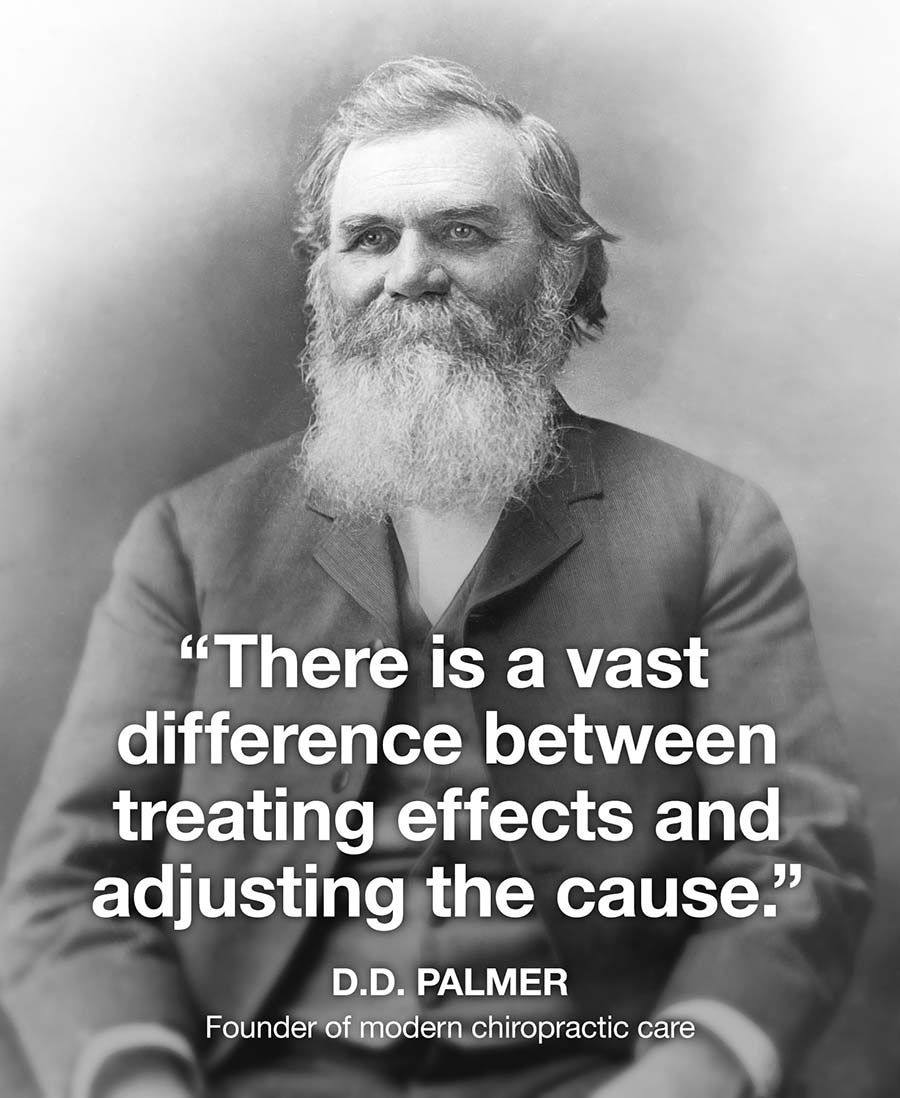
The word "chiropractic" entered public and medical use in 1895. It comes from two Greek words, cheir, meaning hand, and praktos, meaning done, so the term roughly translates to "done by hand." Daniel David Palmer, a practitioner in Iowa, introduced the name and is regarded as the founder of chiropractic in North America.
Palmer believed the body could heal itself and that some health problems stemmed from disrupted nerve function in the affected area. He developed the concept of the spinal "subluxation," or misalignment, and created an early version of the spinal adjustment. According to the profession's history, his first adjustment in 1895 was performed on a man with hearing loss, who reported that his hearing improved afterward.
As interest grew, Palmer opened a school in Iowa in 1897. It became known as the Palmer School of Chiropractic and is recognized as the first chiropractic school in the world. Today, there are dozens of accredited chiropractic programs internationally.
From Controversy to Collaboration
During the mid-twentieth century, the American Medical Association (AMA) opposed chiropractic and labeled it unscientific. A federal antitrust case decided in 1987 found that the AMA had engaged in an unlawful effort to restrict the profession. Over the years, as more patients sought chiropractic care and reported good experiences, the relationship between chiropractors and medical practitioners gradually moved toward cooperation.
Chiropractic education has expanded around the world, and programs now include extensive training in anatomy, physiology, diagnosis and clinical practice. Chiropractors have developed a variety of approaches for managing spine and muscle problems without surgery or habit-forming drugs. Communication and joint research between chiropractors and medical doctors have increased in recent decades, and several clinical guidelines now include spinal manipulation as an option for certain musculoskeletal conditions, particularly low back pain. Veterans Affairs facilities and many other health systems have added chiropractors to their care teams. Research on the safety and effectiveness of chiropractic care continues, and the profession is widely recognized as a conservative care option for many common musculoskeletal complaints.