
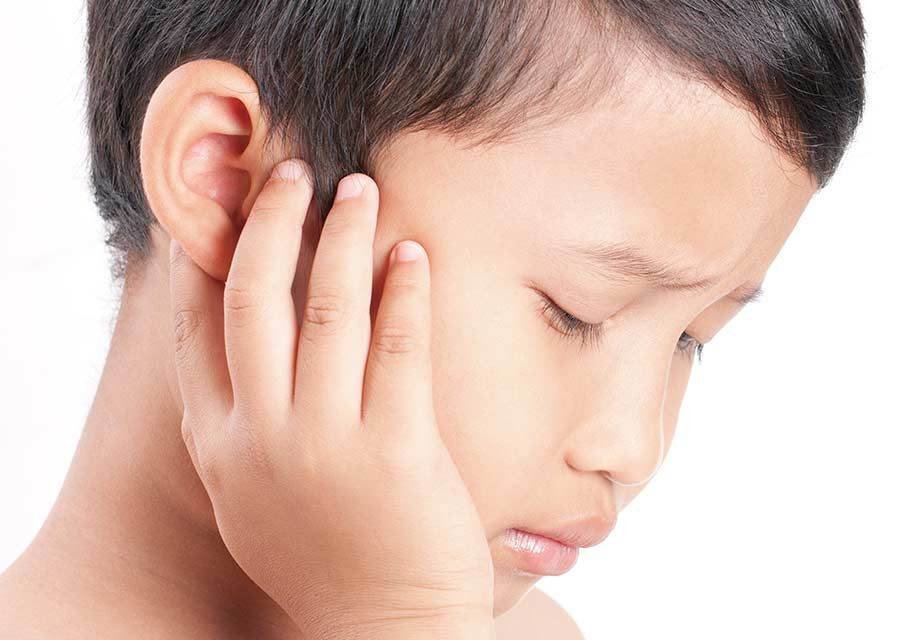
An earache can be intensely painful. Whether it affects one ear or both, ear pain can have effects that reach well beyond the ear itself. The pain may feel dull, sharp or burning, and it can come with fever, dizziness or balance problems, reduced appetite, headaches and trouble sleeping.
Ear pain has a number of possible causes, and infection is the most frequent one. Ear infections are especially common in young children; an estimated 5 out of 6 children have at least one before their third birthday. Adults can develop ear pain as well. Some parents and adult patients look into chiropractic care as a gentle, drug-free option that may help ease ear discomfort and possibly reduce how often it returns, particularly when the pain is linked to problems elsewhere in the body. Many parents are also concerned about the overuse of antibiotics, a concern that is well documented in medical research, and want to explore alternatives where appropriate.
What Commonly Causes Ear Pain?
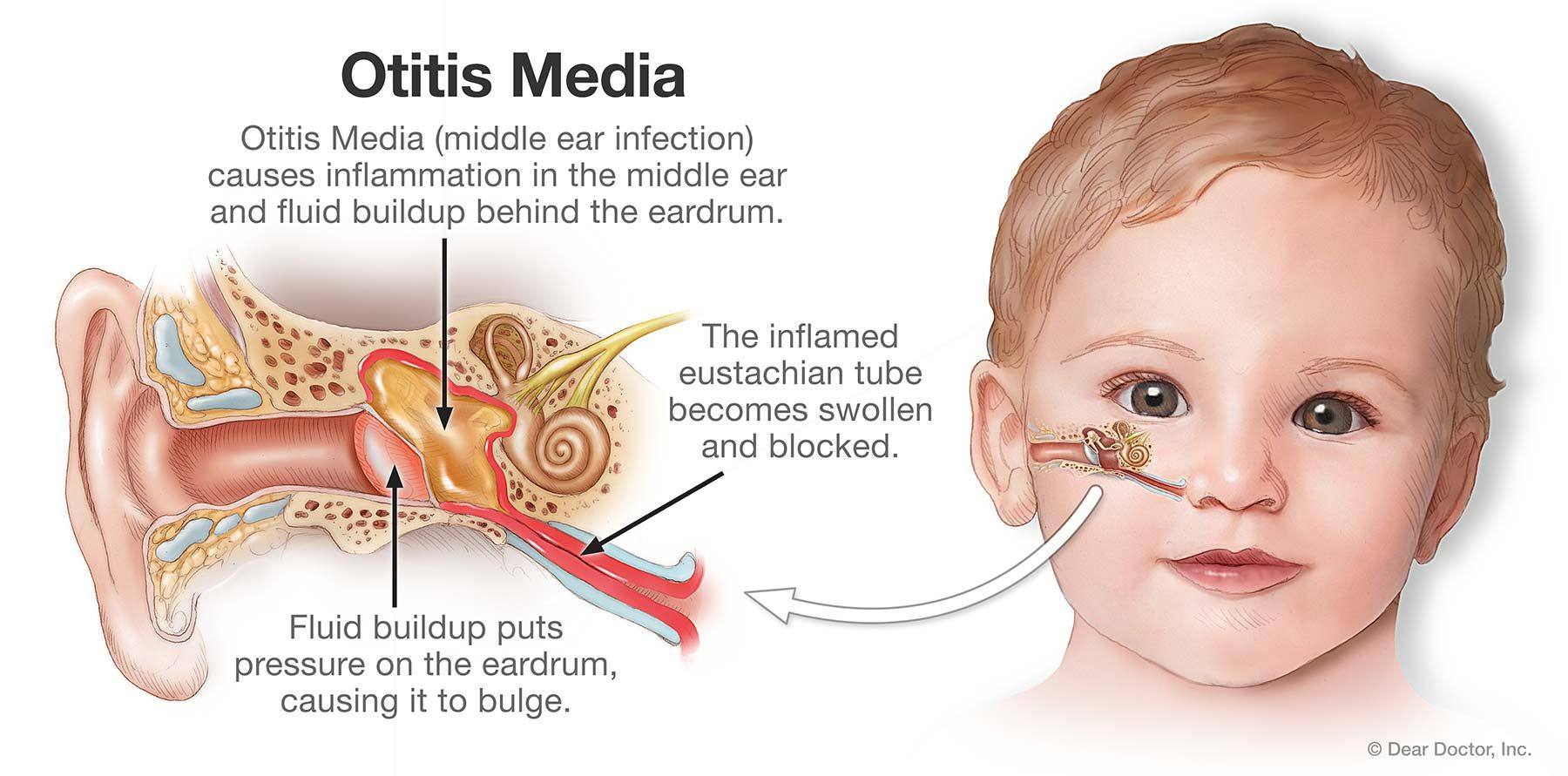
Ear infections come in several forms. They can affect the outer ear (often called swimmer's ear), the middle ear or the inner ear. In children, the most common type is otitis media, a middle ear infection that may be acute (short-term) or chronic (long-lasting or recurring). Middle ear problems are one of the most frequent reasons children see a doctor, and they account for a substantial share of pediatric visits and health care costs each year. Many children have more than one episode of acute otitis media by the time they are three, and some have repeated infections.
Infection is the usual culprit, but ear pain can also stem from injury, inflammation or irritated nerves. In addition, some conditions that start outside the ear can produce pain that is felt in the ear. Other common causes of ear pain include:
- a buildup of earwax
- a sore throat
- problems with the jaw joint (TMJ)
- changes in air pressure
- a sinus infection
- a perforated eardrum
- a tooth that is infected or impacted
- eczema affecting the ear canal
- an object lodged in the ear
- long-term facial nerve pain
- tonsillitis
- severe allergies
Why Some People Consider Chiropractic Care for Ear Pain
Chiropractors may use gentle spinal adjustments and other noninvasive techniques intended to help relieve ear pain. Some small studies and clinical reports suggest that chiropractic care may help ease ear pain related to infections, including the middle ear infections that are so common in children, as well as ear pain that is referred from other areas of the body. However, the research is limited, and more rigorous studies are needed. Results vary from person to person.
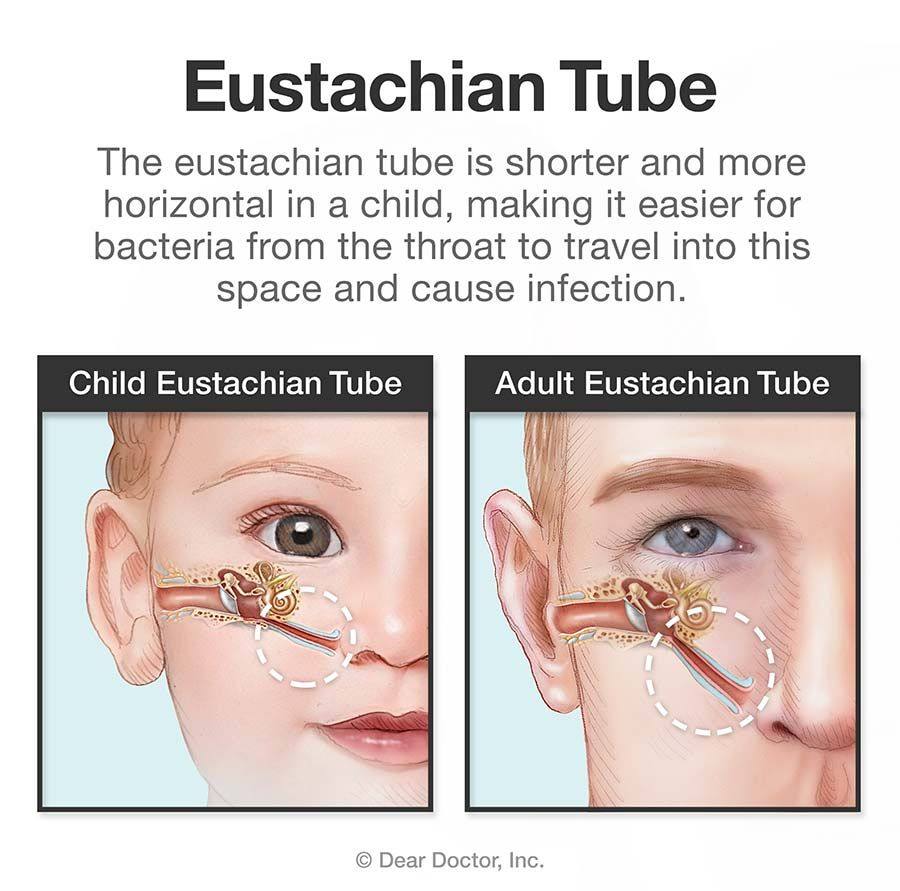
One proposed explanation is that adjustments to the upper neck and surrounding tissues may support fluid drainage from the middle ear, which could help prevent buildup. This approach is sometimes considered for people with recurring ear problems. Because ear pain can signal a condition that needs medical treatment, chiropractic care is best viewed as a complement to medical evaluation rather than a replacement for it. Anyone, especially a child, with a high fever, severe or worsening pain, fluid or blood draining from the ear, hearing loss, swelling behind the ear, or a stiff neck should be seen by a medical provider promptly.
Concern about antibiotic overuse is a common reason families explore chiropractic care for recurring earaches. Public health research has estimated that a significant portion of outpatient antibiotic prescriptions, perhaps around a third, may be unnecessary. Many ear infections are caused by viruses, which antibiotics do not treat, and overuse of these drugs contributes to antibiotic resistance. Since chiropractic care does not involve medication, some people choose to discuss it with a chiropractor and their medical provider as part of a broader, drug-free approach when it is safe to do so.