

Degenerative disc disease (DDD) is not really a disease in the usual sense. The name describes the gradual changes that take place in the spine's discs and joints as a result of aging, past injuries and years of everyday load from gravity. These changes are a form of spinal osteoarthritis, and they are extremely common. Signs of disc wear often show up on imaging in adults by middle age, and an estimated large majority of people over 60 have at least some degree of disc degeneration.
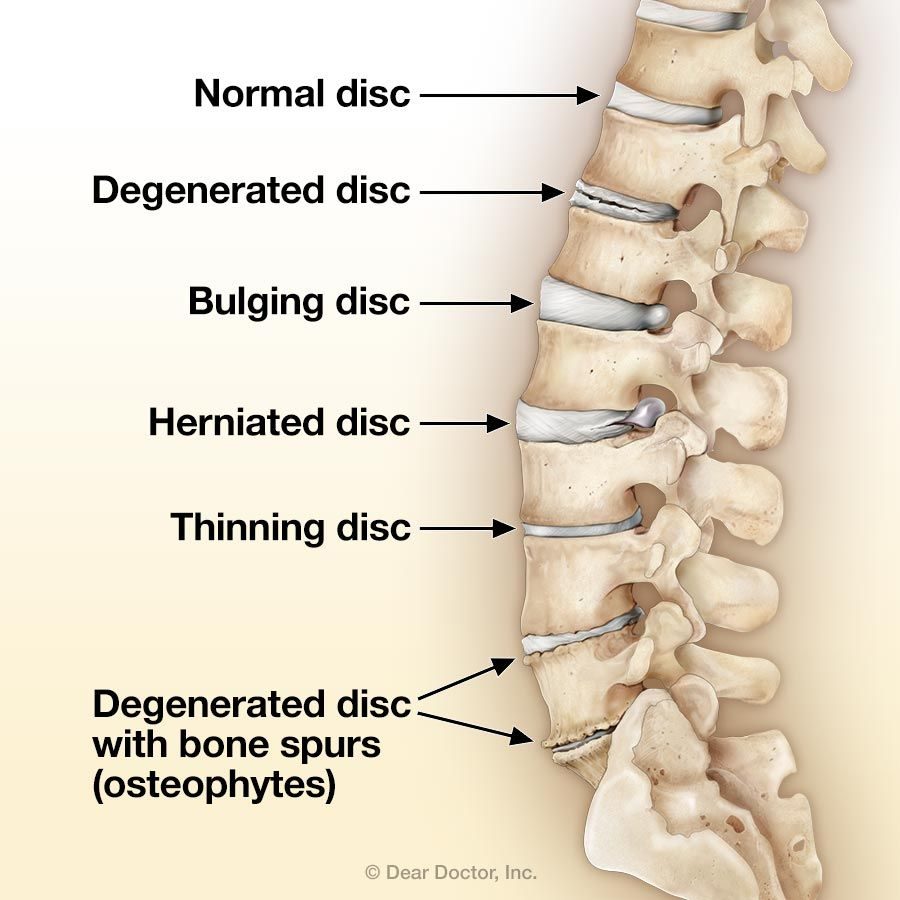
The discs between the vertebrae act as flexible shock absorbers. Over time they can lose water, become thinner or develop small tears, and the soft center may push outward through the tougher outer layer. Each of these changes has the potential to cause pain, swelling and stiffness, and some can crowd the nerves that branch off the spine. Many people have disc changes for years without noticing anything. Symptoms, when they appear, often develop slowly as the condition progresses. Chiropractors work with patients to ease the discomfort that can come with DDD and to help keep the spine mobile and working well.
How Degenerative Disc Disease Affects the Spine
DDD shows up most often in the lower back (lumbar spine), the region that carries the greatest share of body weight. It can also affect the neck (cervical spine) and the mid-back (thoracic spine).
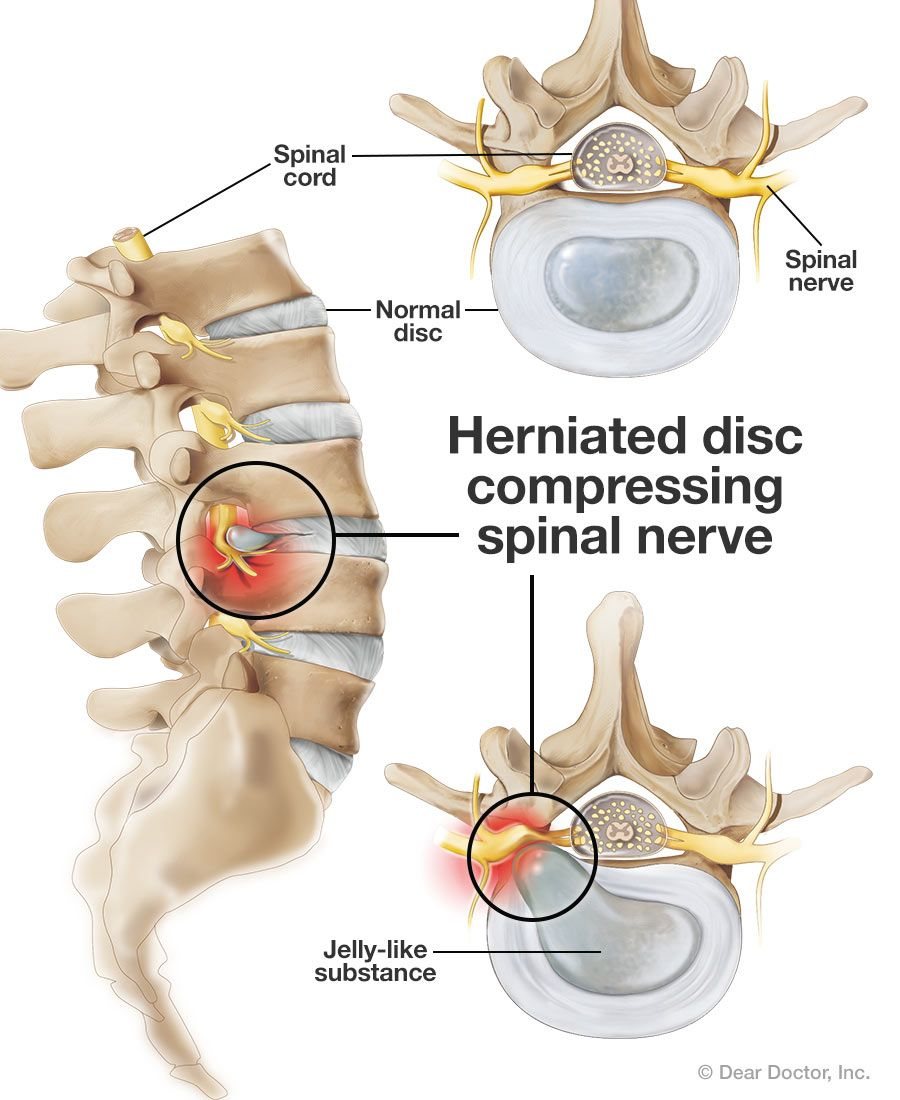
Each disc has a soft, gel-like center wrapped in a firm, fibrous ring. That center is mostly water when we are young. As it gradually dries out, the disc becomes stiffer and loses some of its height, which is part of the reason people tend to get slightly shorter with age. As the center loses volume, the outer ring takes on more of the load. The ring may then bulge toward nearby nerves, or the inner material may escape through a crack in the ring. That inner material contains substances that can inflame nerves and the tissues around them.
As discs narrow, the body sometimes lays down extra bone along the edges of the vertebrae. These bone spurs are often harmless. Occasionally, though, they narrow the space the spinal cord and nerve roots need. When nerves are squeezed, a person may notice pain, numbness or weakness that travels into the arms or legs.
Plenty of people with DDD feel no pain at all, yet disc changes are found in most people who do have spine-related pain. Symptoms vary with the location and cause. Some people describe a constant dull ache, while others feel sharp or burning pain. When discomfort runs from the lower back through the buttock and down the leg, it is called sciatica.
Prolonged sitting tends to aggravate DDD because it increases pressure on the discs and nearby structures. Standing still for long stretches, particularly on hard floors, can also be uncomfortable. Bending and twisting often make symptoms flare, while lying down or taking a walk frequently brings relief.
How Chiropractors Approach DDD
Back pain is among the most common reasons people visit a chiropractor, and many of those patients have some degree of disc degeneration. Chiropractic care aims to help the back move more freely and feel more comfortable. Treatment may help calm irritated nerves and improve how the spinal joints move.
Common hands-on techniques include:
- Spinal manipulation: a quick, controlled thrust applied to joints that are stiff or moving abnormally.
- Flexion-distraction: a gentle, non-thrusting method performed on a special table that rhythmically stretches the spine; it is often used for disc herniations and spinal stenosis (narrowing of the spinal canal).
- Instrument-assisted adjustment: a small handheld tool delivers a light, targeted impulse to a specific area.
- Trigger point therapy: sustained pressure on tender knots in the muscles to help release tightness.
To help manage inflammation, chiropractors may also use:
- Interferential current: a low-frequency electrical stimulation applied to muscles that may help reduce swelling and discomfort.
- Therapeutic ultrasound: sound waves that produce gentle warmth in deeper tissues, which may ease muscle spasm and stiffness and support circulation.
Home exercises are frequently recommended to build on office visits and support long-term spinal health.
Disc degeneration cannot be undone, and some severe, long-standing cases may eventually require surgery. When degeneration has progressed beyond what conservative care can address, a chiropractor can refer the patient to an appropriate specialist. Anyone who develops loss of bladder or bowel control, numbness in the groin area or rapidly worsening leg weakness should seek emergency medical care right away.
Steps People Can Take
Caring for the spine and supporting muscles may help slow disc degeneration. Much like brushing and routine dental visits help protect teeth, good habits can support spinal health. Staying active matters most, since regular movement helps keep discs and joints healthy, while long periods of inactivity tend to work against them. A chiropractic exam may also pick up early signs of disc changes before they cause significant symptoms.
People who are concerned about degenerative disc disease, or who have ongoing back or neck discomfort, may want to talk with a chiropractor or other healthcare provider about an evaluation and a care plan suited to their needs.