
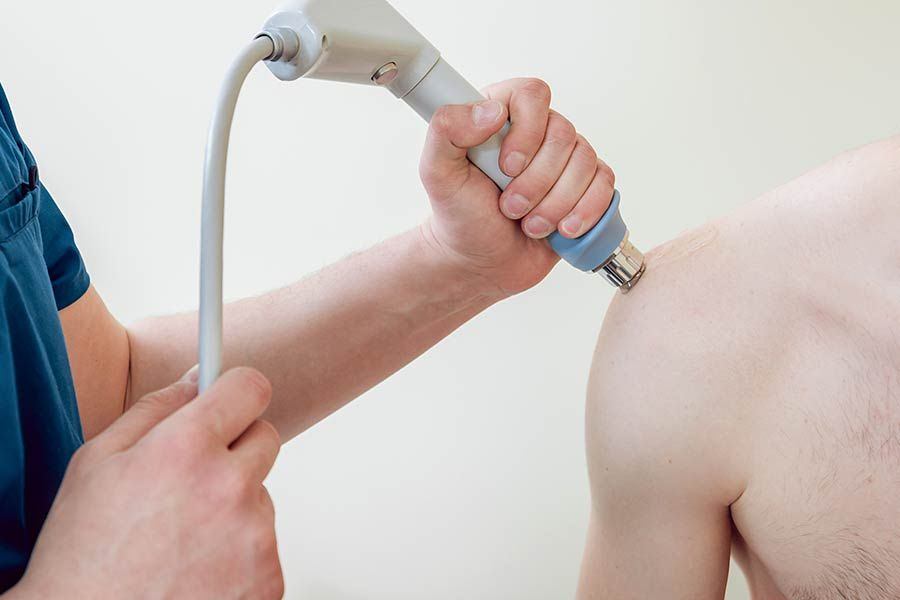
Cold laser therapy, sometimes called low-level laser therapy or photobiomodulation, is a painless, noninvasive treatment that may help support tissue healing, reduce inflammation and ease both short-term and long-lasting pain. Some patients receive it alongside chiropractic adjustments as part of a broader care plan.
Understanding Cold Lasers
Light travels in waves, and each type of light has its own wavelength. A "cold laser" is a low-power laser or high-intensity LED that emits red and near-infrared light, both of which have relatively long wavelengths. Ultraviolet light, the kind responsible for sunburn, sits at the opposite end with short wavelengths. The longer wavelengths used in cold laser therapy can pass a few centimeters into the body, where they are thought to support healing at the cellular level.
How the Treatment Works
Light from the device passes through the skin and into the tissues underneath. Cells in the injured area absorb this light energy, which is believed to trigger processes inside the cells that support repair and help damaged tissue recover. Research suggests this may help wounds and injured tissues heal more efficiently.
What Patients Feel
Cold laser therapy does not create a sensation of heat or cold, and it is not painful. Most people feel nothing at all during treatment and find the experience comfortable. Patients who notice any warmth or other temperature change should let the provider know.
What Happens During a Session
Patients may sit or lie down for treatment, depending on where the pain or injury is and which position they can hold comfortably for a few minutes.
The cold laser is a small handheld device that the provider places on or near the area being treated. When the laser is used for wound care, a thin clear film may first be laid over the skin. The provider holds the device still over each spot for a short interval, often under a minute, and repeats this several times. How long each area is treated depends on factors such as the power of the device, how dense the tissue is and the size of the area. Smaller areas need less time than larger ones. A typical session takes only a few minutes, and patients can usually return to their normal activities right afterward. Depending on the condition, a provider may recommend a series of sessions over several weeks.
Who Might Benefit
Because it is noninvasive, cold laser therapy may be an option for many people dealing with muscle, tendon or ligament pain; joint pain, including pain from autoimmune conditions such as rheumatoid arthritis; nerve pain; and slow-healing wounds such as leg ulcers.
Cold laser therapy is not appropriate for everyone. Providers may avoid it for people who are pregnant, who have cancer in or near the treatment area, who have a pacemaker or who have epilepsy.
For many musculoskeletal problems, cold laser therapy is a gentle option to consider. People interested in learning whether it could be part of their care for pain or injury can discuss it with a chiropractor or other healthcare provider.