
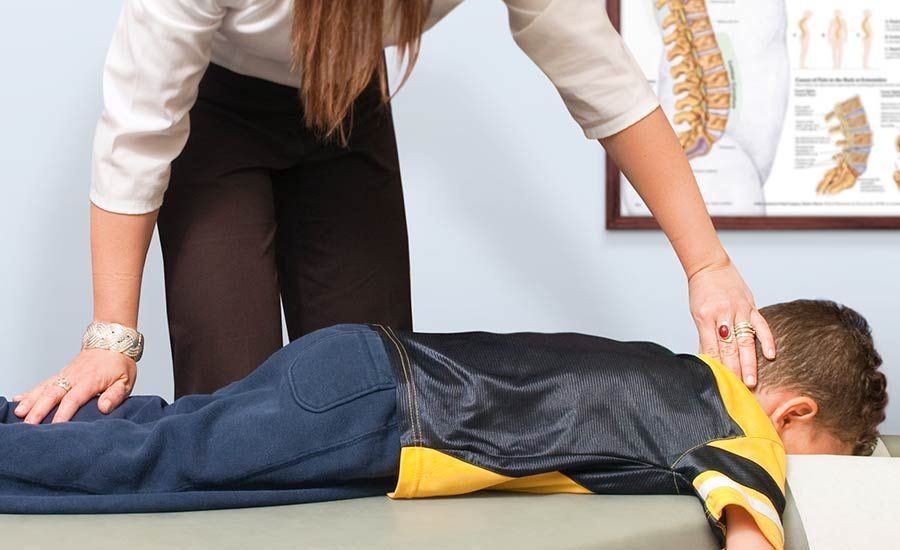
A growing number of parents bring their children to chiropractors as part of their approach to health and wellness. Pediatric chiropractic care typically uses very gentle techniques adapted to a child's size and stage of development. While only a small share of children in the United States receive chiropractic care, pediatric visits have become more common over the past few decades, and children and teens make up a noticeable portion of chiropractic patients.
Ear Pain and Ear Infections in Children
Ear pain and recurring ear infections are among the reasons parents most often bring young children to a chiropractor. Ear infections are extremely common in early childhood, and most children have at least one before they start school. Some chiropractors use gentle techniques with the goal of supporting fluid drainage and easing discomfort, and some parents report that their children seem more comfortable afterward.
A number of small studies and case reports have looked at chiropractic care for children with middle ear infections, the most frequent cause of childhood earaches. Some have described improvement in symptoms, but the overall evidence is limited, and larger, well-designed studies are needed before firm conclusions can be drawn.
Part of the interest in other options comes from concern about overuse of antibiotics. Health authorities have acknowledged that antibiotics are sometimes prescribed when they are not needed and that overuse contributes to antibiotic-resistant bacteria. Current pediatric guidelines already allow for a period of watchful waiting in certain mild ear infections. However, ear infections can sometimes become serious. Children with high fever, severe pain, drainage from the ear, swelling behind the ear or symptoms that do not improve should be seen promptly by a pediatrician or other medical provider.
Researchers are also learning more about the role of gut bacteria in immunity and general health, and antibiotics can temporarily disrupt that balance. This is one more reason families may want to discuss with their child's doctor when antibiotics are truly necessary and what other measures might help.
Other Concerns Chiropractors Commonly See in Children
An infant's spine is flexible and still developing, but the birth process and early handling can still place stress on it. Some parents seek a chiropractic evaluation after a long or difficult delivery. Among babies, common reasons for visits include colic and other digestive discomfort, trouble sleeping and difficulty latching or nursing. Some practitioners believe birth-related strain can contribute to these issues, although this idea is still debated and research is limited.
Chiropractors may also see babies and toddlers with torticollis (sometimes called wry neck, in which the neck muscles pull the head to one side and tilt it) or with concerns about crawling and movement. Early evaluation, coordinated with the child's pediatrician, can help identify issues that may benefit from gentle care, exercises or referral.
In older children and teens, chiropractic care is often sought for sports injuries, headaches, back and neck pain, and aches associated with growth spurts. These complaints are similar to the musculoskeletal problems chiropractors treat in adults. Some research has explored whether chiropractic care might help with conditions such as asthma, but the findings so far have been mixed and inconclusive.
Some parents report that chiropractic care has helped their children with a wide variety of other conditions, including bed-wetting, attention problems, skin conditions and developmental concerns. These reports are largely anecdotal, and there is not enough scientific evidence to show that chiropractic care treats these conditions. Families exploring chiropractic care for any of these issues should continue working with their child's medical team rather than using it as a replacement for standard care.
Is Chiropractic Care Right for Your Child?
Gentle chiropractic care performed by a practitioner trained in pediatric techniques is generally considered low risk for children, and serious complications appear to be rare. Parents considering it can talk with both a chiropractor and their child's pediatrician to decide whether it may be a helpful part of their child's overall care and wellness plan.