
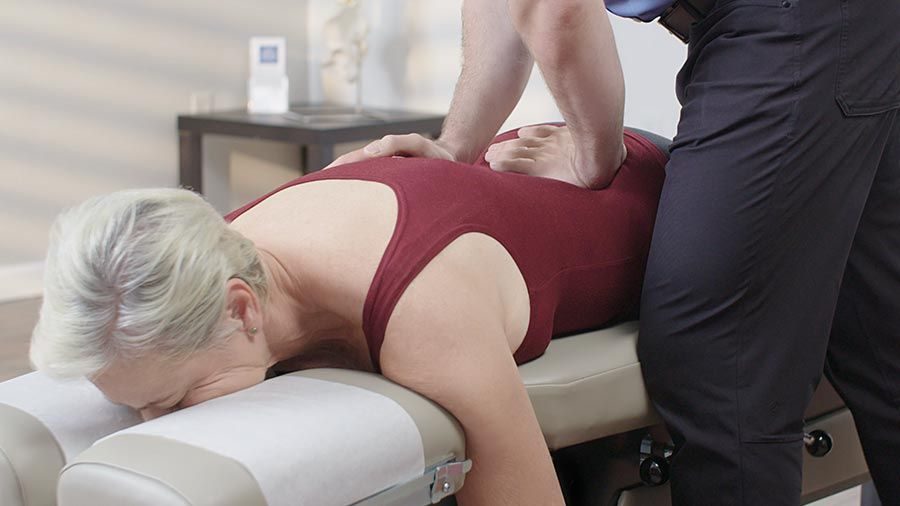
Modern chiropractic care traces its origins to Daniel David Palmer, who developed the approach in the United States in 1895. It has since spread around the globe, and many practices now offer more than spinal care alone. The central idea, however, has stayed largely the same: evaluating and treating the body's physical problems without prescription drugs or surgery.
Training and Licensing
Chiropractic schools operate in many countries, with a large share of them located in the United States. Palmer founded the first chiropractic school in Iowa in 1897, and that institution, Palmer College of Chiropractic, still trains students today. Admission requirements differ from school to school, but all of them require a demanding course of study that generally takes about four years to complete after undergraduate prerequisites are finished.
Chiropractic students spend thousands of hours in classrooms and labs studying the basic and clinical sciences, as well as chiropractic principles and techniques. They then complete supervised clinical training, working with patients before earning the Doctor of Chiropractic degree. To become licensed and practice legally in the United States, students must also pass a series of exams given by the National Board of Chiropractic Examiners, along with any requirements set by their state.
Education continues after graduation. Chiropractors must complete continuing education each year to keep their licenses active, and the number of required hours depends on the state licensing board.
Treatment Methods
Chiropractors use a variety of techniques. Some are learned in chiropractic school, while others are picked up later through continuing education courses. Many chiropractors rely mainly on their hands to deliver treatment. Others also use handheld instruments, which may be manual or electronic but are always guided by the chiropractor.
Beyond adjustments, some chiropractors offer additional therapies. These may include therapeutic ultrasound, interferential current (a form of electrical stimulation), low-level laser therapy, heat and cold packs, stretching, strengthening and stabilization exercises, kinesiology taping and others. The specific treatments a patient receives depend on what is most suitable for that person's condition.
The First Visit
At an initial appointment, the chiropractor typically starts by asking about the patient's symptoms and concerns. This is usually followed by an exam that includes neurological and orthopedic tests and an assessment of the joints and soft tissues, such as muscles, tendons and ligaments, in the affected areas. In many cases a diagnosis can be reached during the visit, though x-rays, an MRI or lab tests are sometimes needed for more information. After the evaluation, the chiropractor and patient can discuss which treatment options make sense.
Who Chiropractors Treat
Most chiropractors are trained to care for people of all ages, from children to older adults. Some pursue additional training to focus on particular groups, such as athletes, children, pregnant women or seniors, or on specific problems like headaches, car accident injuries or sports injuries. People seek chiropractic care both for wellness and prevention and for relief from painful conditions.
Chiropractic care has a long history and is used by many people today. Anyone with questions about whether it might be right for them can discuss their situation with a chiropractor or healthcare provider.