
Posture plays a bigger role in health than many people realize. The term describes how the body is positioned when sitting, standing or lying down. Good posture means the head, shoulders, spine and hips are lined up well and the muscles provide just enough support to hold that position against gravity. When the body is supported this way, it is less prone to many muscle and joint problems. Still, a lot of people develop slouching or other poor posture habits over time and feel the effects.
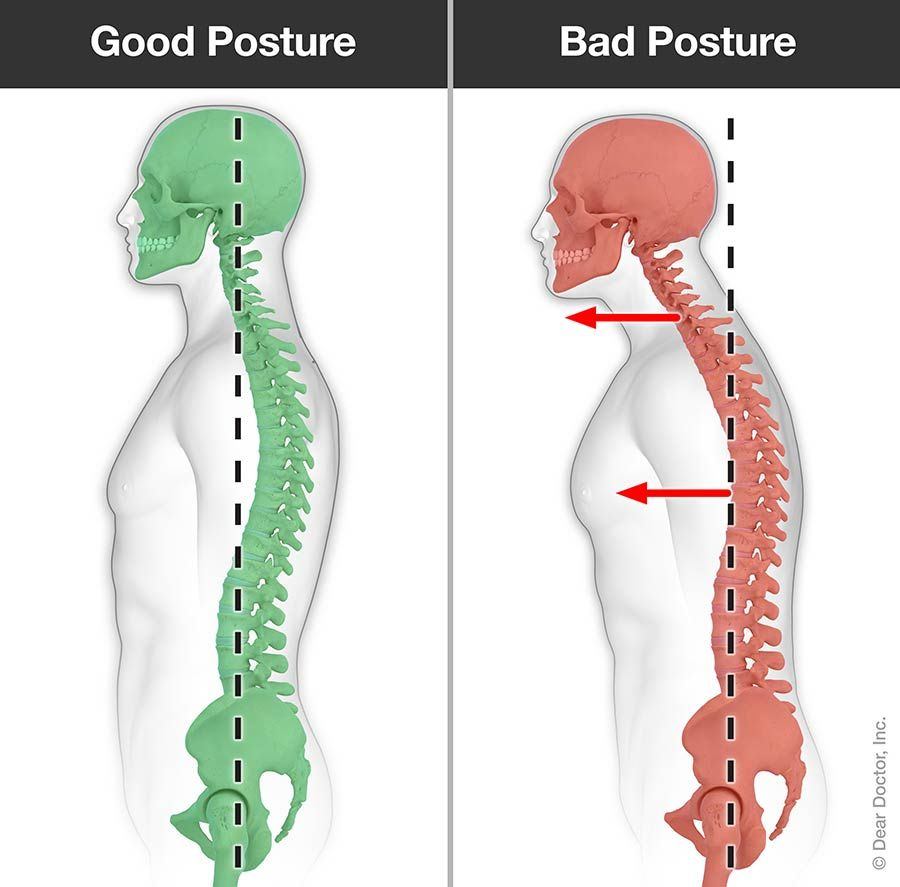
Well-aligned posture keeps strain on the muscles and ligaments to a minimum during movement and weight-bearing activities, and it is linked with a number of health benefits. Poor posture, on the other hand, has been associated with problems such as ongoing aches and pains and headaches. Some people also connect slumped posture with issues like heartburn, digestive discomfort, shallow breathing, reduced balance, tiredness and restless sleep. When posture is consistently off, the muscles that are meant to hold the body upright may become underused and weak. This can make good posture harder to maintain and leave parts of the spine more vulnerable to strain.
Holding good posture brings a range of advantages. It depends on, and helps preserve, a reasonable amount of muscle strength and flexibility, which makes it a habit worth building. Better alignment may reduce unnecessary wear on the joints, which can contribute to arthritis and joint pain over time. Poor positioning affects not only the limbs but also the spine itself. Balanced posture places less stress on the ligaments that hold the spinal joints together, which may lower the risk of injury. And when muscles work efficiently, the body tends to use less energy over the course of the day, so people may feel less worn out.
What Causes Poor Posture and How It Shows Up
Many factors can contribute to poor posture. Common ones include stress, excess body weight, overly tight muscles, frequently wearing high heels and weakness in the muscles that support posture. Other contributors include poorly arranged workspaces, limited flexibility, slouching while working, and long periods of sitting or standing in awkward positions. Typical signs include shoulders that roll forward, a rounded upper back and a head that sits forward of the shoulders. People with poor posture frequently develop related pain in the neck, shoulders or back.
Ways to Improve Posture
Posture habits form gradually, but they can often be improved. Chiropractic care may help people make progress over time. How long that takes usually depends on how long the habits have been in place. The longer someone has sat, stood or slept in a poor position, the more the joints and soft tissues may have adapted, and the longer it may take to see change.
Paying attention to posture during the day also helps. When standing, it can help to keep the knees slightly soft rather than locked, let the arms hang relaxed and draw the shoulders gently back. At night, sleeping on the side or back is generally easier on the spine than sleeping on the stomach.
How Chiropractors Can Help With Posture
During a visit, a chiropractor typically examines the spine and other joints to look for stiffness or misalignment that may be affecting posture. They also look for imbalances, such as one shoulder sitting higher than the other, a habitual head tilt, or a pelvis that is tilted or tucked. Spinal adjustments are intended to improve joint mobility, which may make it easier to hold a balanced position. Some patients say they feel taller or find it easier to stand up straight after an adjustment.
Some research suggests that chiropractic care, often combined with exercise and education, may help improve certain aspects of posture. Since good posture supports overall health and function, working on it can be a worthwhile step. People who are curious about their posture or want to improve it may want to talk with a chiropractor or other healthcare provider about an evaluation.